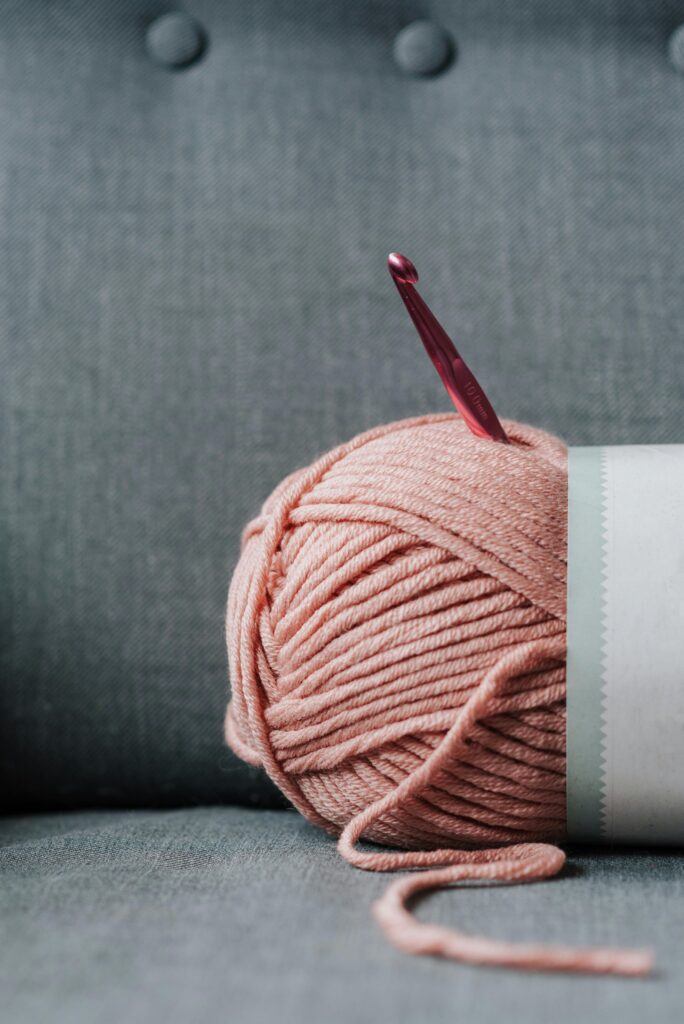
If your child is just getting started with a hook and yarn, finding beginner-friendly project ideas can feel overwhelming. Most patterns online assume some experience, and the instructions are often packed with abbreviations that don’t mean much to a kid.
At Bloomfield Arts & Crafts Studio, we’ve built our curriculum around real experience teaching crochet beginners in Edmond, OK. We know exactly which projects work best when a child is just starting out, and which ones build confidence early. Here are five tried-and-true projects that kids can actually finish, understand, and feel proud of.
Why Starting Small Matters
Kids learn differently than adults — they need repetition, quick wins, and projects that make them feel successful instead of overwhelmed. A 2021 study from the Harvard Graduate School of Education found that early wins in hands-on learning build motivation, especially in subjects that require sustained focus. Crochet is no different, which is why we only introduce techniques once a student is developmentally ready for them. Whether your child is 6 or 14, the key is structure without pressure.
When we’re picking a first project for a beginner, we look for three things: simple stitches (mostly single or chain), a short timeline (something finishable in one or two sessions), and a tangible result — something they can use, gift, or show off. Here are five that hit all three.
1. Finger Chain Bracelet
This is where we start almost every young crocheter, because there’s no hook needed — just yarn and fingers. It teaches the basic mechanics of looping and tension without worrying about tool technique. It only takes about 10 minutes, builds foundational muscle memory, and works well for younger kids, ages 5 to 7. Many parents tell us this was the first activity their child stuck with from start to finish without giving up.
2. Single-Stitch Bookmark
Once kids are comfortable holding a hook, this is a great next step. It’s flat, straight, and repetitive, which is exactly what a young crocheter needs while they’re still building consistency. It teaches even yarn tension, uniform stitches, and working in rows without gaps. We recommend it as a first real hook project for ages 7 and up.
3. Crochet Flower or Spiral
These patterns look more complex, but they’re surprisingly kid-friendly. Our instructors use visual aids and step-by-step scaffolding to make circular patterns approachable, even for new learners. It introduces working in the round, builds attention to pattern changes, and gives kids something they can clip to a backpack or give as a gift. Many students walk out with one after just two or three sessions.
4. Mini Drawstring Pouch
This project combines flat and circular techniques, helping kids see how different shapes come together in crochet. It teaches simple increases and decreases, stitch counting, and finishing and assembly with a drawstring. Kids love that they can use it to stash small treasures they made themselves — it’s a great intro to functional design.
5. Basic Granny Square
Yes, the classic. But we don’t just hand kids a pattern and walk away. We introduce the granny square gradually, breaking it into small sections and using colored yarn to tell rows apart. It reinforces double crochet, encourages attention to symmetry, and opens the door to endless creative projects later. Once a child finishes one, they usually want to make more — granny squares become building blocks for everything that follows.
Why These Projects Work
We didn’t pull these projects off Pinterest — each one has been tested and taught dozens of times with real kids in Edmond and the Oklahoma City metro. We’ve watched kids with ADHD stay engaged for a full class, quiet kids open up during group stitching, and siblings of different ages work side by side on their own versions of the same pattern. The common thread is that the process makes sense to them. We don’t push for perfection — we focus on building skills they’ll carry into every other creative challenge.
How to Support Your Child at Home
Crochet doesn’t have to stop when class ends. Celebrate the small stuff — every finished row is a big deal. Set up a simple craft spot with a bin for yarn, a hook, and scissors. Ask about their project and let them explain it, even if you don’t follow the stitches yourself. And if you’re ever unsure how to help, just ask your child’s instructor — we’re here to support the whole family, not just the student.
The Best Place to Start
If you’re looking for meaningful, low-pressure activities for your child, crochet is a great option, and it starts with choosing the right first projects. These five give kids the right blend of skill-building and satisfaction — simple enough to finish, useful enough to make them feel like real makers. At Bloomfield, we support each child through their first loop, stitch, and finished piece, one project at a time.